

Xbox Cloud Gaming and Fortnite: What's the Catch?
Generated Title: Xbox's Cloud Gaming Push: A Data-Driven Look Beyond the Hype
Microsoft's been making noise about expanding its Xbox Cloud Gaming service, most recently with additions in Brazil, Argentina, and India. The core idea – streaming games to devices for Game Pass subscribers – makes sense. (Accessibility is always a good thing, right?) But let's dissect the actual impact, stripping away the marketing fluff.
The "Everything is an Xbox" Gamble
The "Everything is an Xbox" strategy, which involves releasing games on competing platforms like Sony and Nintendo, is a direct consequence of the Xbox Series X|S underperforming. Sales figures barely edged out the original Xbox. That's...not great. It's a tacit admission that the console itself isn't the linchpin anymore. Microsoft is betting on services, specifically Game Pass and cloud gaming, to carry the brand. The question is: can they?
The recent Fortnite announcement highlights this shift. Fortnite Crew Comes to Xbox Game Pass Ultimate November 18 – and Fortnite Comes to Xbox on PC is now bundled with Xbox Game Pass Ultimate, and the game is finally available on Xbox for PC with Xbox Play Anywhere support. This is significant. Fortnite boasts massive player numbers, and offering it through Game Pass could be a smart customer acquisition play. But let’s consider the other side of the coin.
The move towards cloud gaming, while seemingly progressive, is also a tacit acknowledgment of a weakness. Sony's PlayStation Portal, for instance, allows streaming of "thousands" of PS5 games from the cloud – a larger library (2845 games as of November 5, 2025 per one source) than Xbox Cloud Gaming's 2107 titles. So, while Microsoft talks about accessibility, Sony's arguably already ahead in terms of content available via the cloud.
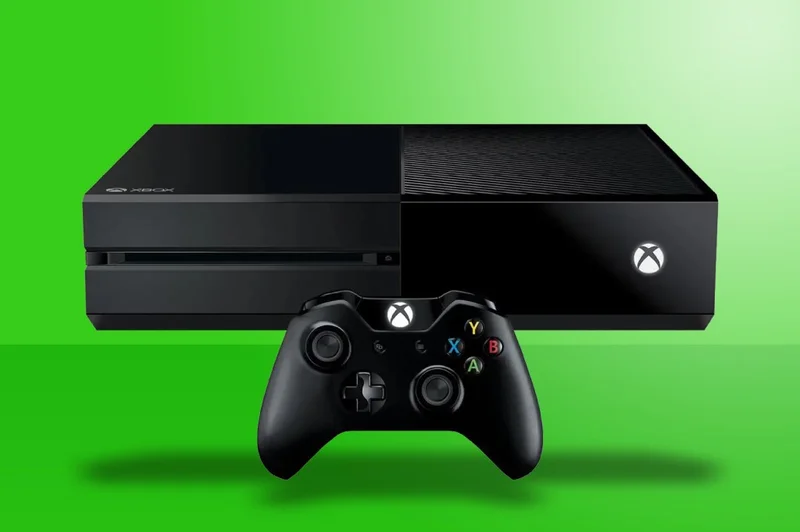
And here’s the part of the equation that I find genuinely puzzling: Microsoft's willingness to abandon platform exclusivity. Sarah Bond, head of Xbox, calls exclusives "antiquated." Satya Nadella wants Xbox to be more like Microsoft Office. This is... a choice. Phil Spencer himself previously touted exclusives as a key driver for Xbox. What changed? CFO Amy Hood's "aggressive margin requirements" are likely at play, pushing for short-term gains even at the expense of long-term ecosystem value.
The Shifting Landscape
The problem is, in a world where Xbox games are available on Steam or PlayStation, what's the incentive to stay within the Xbox ecosystem? Microsoft is essentially ceding ground to competitors. Sony, meanwhile, appears to be building its own PC store, potentially bypassing Steam's 30% transaction fee. That’s smart business, and a direct challenge to Microsoft’s PC gaming ambitions.
The Raji: Kaliyuga sequel announcement throws another wrench into the works. While the game itself looks promising (dual protagonists, a shift to third-person perspective), it underscores the broader trend: even indie developers are pushing boundaries and evolving their games. Microsoft needs to demonstrate similar innovation, not just in technology, but in its overall strategy.
The narrative that Microsoft is embracing inclusivity is appealing, but the data suggests a different story: a company reacting to a changing market, potentially sacrificing its long-term competitive advantage in the process.
Is Xbox Just Giving Away the Store?
Microsoft is betting on a future where content is ubiquitous and platform loyalty is irrelevant. But is that future realistic? Or is it simply a way to mask the underperformance of its console division and the challenges facing its cloud gaming service? The numbers don't yet paint a clear picture, but the trend is concerning. Microsoft needs to demonstrate that its "Everything is an Xbox" strategy is more than just a surrender to the competition. It needs to show that it can still innovate, still compete, and still offer gamers a reason to choose Xbox over the alternatives.

Related Articles
- 热门文章
-
- 1Corteva Announces Corporate Split: The Rationale, Market Impact, and What the Data Shows
- 2Jerome Powell's Latest Speech: Translating the Latest Fed-Speak
- 3B&M's Harvest Mug Recall: Why Your Cheap Mug Might Explode
- 4The U.S. Forest Service Overhaul: Analyzing the Data Behind Recent Closures and Policy Shifts
- 5PepsiCo's Q3 Earnings Beat: Deconstructing the Ozempic Narrative and Activist Pressure
- 6Gold Surpasses $4,000: What Today's Spot Price Per Ounce Really Means
- 7Royal Caribbean Norovirus Outbreak: What the Data Reveals About the Symptoms and Scale
- 8Juan Gabriel: The 'Alive' Conspiracy and His Unforgettable Legacy
- 9Plasma: What It Is and the Economics of Donation
- 10The TransUnion Data Breach: What It Reveals About Our System & The Steps You Must Take Now
- 热评文章
-
- 1B&M's Harvest Mug Recall: Why Your Cheap Mug Might Explode
- 2The Zcash Awakening: Why This Surge Signals a New Era for Privacy
- 3HMRC's New Pension Lump Sum Rules: What Changed and Why It's Another Bureaucratic Headache
- 4Yom Kippur: What It Is, Why You Fast, and If It Even Matters Anymore
- 5The Search Term 'Canyon': Dissecting Search Intent for National Parks vs. Trucks vs. Universities
- 6Royal Caribbean Norovirus Outbreak: What the Data Reveals About the Symptoms and Scale
- 7Juan Gabriel: The 'Alive' Conspiracy and His Unforgettable Legacy
- 8Plasma: What It Is and the Economics of Donation
- 9The U.S. Forest Service Overhaul: Analyzing the Data Behind Recent Closures and Policy Shifts
- 10The TransUnion Data Breach: What It Reveals About Our System & The Steps You Must Take Now
- 随机文章
-
- Gold and Stocks Hitting Record Highs: Why It's Happening and What It Signals for the Future
- Occidental's $9.7B OxyChem Sale: What the Numbers and Deal Structure Actually Mean
- The International Space Station: Its Location, Visibility, and Core Stats Explained
- Solana's Price: The Latest Predictions and What Comes Next
- 401k Catch-Up Contribution Changes: What the New Rules Mean and Who Is Most Affected
- Hims Stock: Decoding the Recent News and Price Action
- Nvidia's CEO Jensen Huang: What's Really Going On With the Stock
- The Next Stimulus Check: Decoding Eligibility and the Real Timeline
- The Klarna Stock Saga: The IPO hype, how it actually works, and what Reddit is saying
- El Segundo Chevron Refinery Fire: What Really Happened and Why Your Gas Prices Are About to Spike
- 侧栏广告位
-